
The U.S. Luggage and Bags Market at a Glance
The handbag, luggage, and accessory stores industry in the United States has reached approximately $36.2 billion in revenue for 2026, growing at a compound annual rate of about 2.5% over the past five years. This steady growth reflects a maturing but resilient market, supported by surging international and domestic travel, evolving consumer preferences, and the increasing integration of technology into travel products.
Yet the real story goes far beyond the numbers. From the explosive popularity of a $3 supermarket tote bag to the rise of high-tech, sustainably crafted luggage, the American market is experiencing a fascinating transformation. This article explores the key trends, cultural phenomena, and industry shifts shaping the luggage and bags landscape in the United States.
The Phenomenon: Trader Joe’s Tote Bag Goes Viral
Perhaps the most unexpected story in American fashion and luggage in 2026 involves a supermarket chain. Trader Joe’s, the beloved U.S. grocery store, released a series of mini canvas tote bags in pastel colors—pink, mint green, sky blue, and lavender—priced at just $2.99.
What happened next became a retail phenomenon. The bags sold out within days, with customers lining up before stores opened and some locations enforcing limits of one bag per color per person. In Las Vegas, one store reportedly had 475 people waiting in line before its 8:00 AM opening.
The frenzy didn’t stop at store shelves. On eBay, resale prices for these humble canvas bags skyrocketed—some listings reached over $3,000 USD**. One New York-based artist painted custom designs on the bags and resold them for upwards of **$1,500.
More remarkably, the Trader Joe’s tote bag earned a spot on the Lyst Index, the fashion industry’s global ranking of the hottest products. In the first quarter of 2026, it ranked eighth, sitting alongside luxury icons like the Chanel Flap Bag and Saint Laurent sunglasses. A supermarket bag was competing with the world’s most prestigious fashion houses.
Why Did a Grocery Bag Become a Luxury Symbol?
Industry observers point to a cultural shift in how younger consumers define luxury. As traditional markers of wealth—luxury cars, designer handbags, expensive homes—become increasingly unattainable for many, Gen Z and millennial consumers are redefining status. Cultural capital has become a new currency.
The Trader Joe’s tote operates on a logic similar to high-end luxury brands:
Exclusivity through scarcity: Limited production runs and regional availability (Trader Joe’s operates only in the U.S.) create genuine rarity.
Identity signaling: Carrying the bag signals membership in a specific cultural tribe—the “overeducated, underpaid” creative class, young professionals, and those who value everyday authenticity over ostentatious displays of wealth.
The “if you know, you know” factor: Like stealth-wealth luxury, the bag’s appeal lies in insider recognition rather than obvious branding.
Luxury Luggage Gets a Colorful Makeover
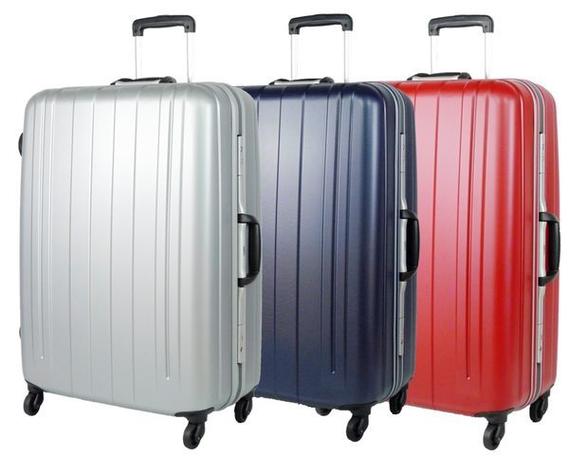
While a grocery store bag captured the public’s imagination, traditional luxury luggage brands are making bold moves of their own. In 2026, the most visible trend across premium travel accessories is color.
Tumi, the premium luggage and bag specialist, introduced its Mediterranean Escape collection, featuring softer, pastel hues inspired by Mediterranean architecture and landscapes. Colors like Washed Yellow (inspired by the scent of Amalfi lemons rather than their bright hue) and Pink Clay (a pale interpretation of rustic terracotta tiles) offer a gentler, more timeless approach to statement color.
Rimowa, the German luggage icon owned by LVMH, launched striking Magenta and Orange colorways across its Essential and Groove lines. These bold, pop-art-inspired shades mark a departure from the brand’s classic silver aluminum aesthetic, appealing to travelers seeking personality alongside performance.
The shift reflects changing consumer demographics. According to Tumi’s creative director Victor Sanz, younger customers—particularly in Asia—are “no longer satisfied with the status quo” of navy, black, and gray. The message is clear: the era of the anonymous suitcase is ending. Travelers now see their luggage as an extension of their personal style, as curated as any outfit.
Smart Technology: Where Luggage Meets the Future
Beyond aesthetics, the luggage industry is investing heavily in smart features that address the practical demands of modern travel. Smart luggage is no longer a futuristic concept; it is becoming mainstream.
The global smart luggage market was valued at $2.1 billion in 2025** and is projected to grow to **$7.3 billion by 2035. This rapid growth is driven by features such as:
Intelligent self-weighing to avoid airline baggage fees
USB fast-charging ports for on-the-go device power
Bluetooth anti-loss tracking for locating lost bags
Remote anti-theft locking for enhanced security
However, the 2026 market also shows that smart features alone are not enough. According to IBISWorld’s industry analysis, augmented reality (AR) try-ons, 3D visualization, and AI-powered styling tools are boosting conversion rates and average order values in retail stores. These technologies help customers visualize products before purchase, reducing returns and increasing satisfaction.
Consumers are now seeking luggage that combines smart technology with premium design—bags that are as functional as they are beautiful.
Sustainability: No Longer a Bonus, But a Baseline
Environmental responsibility has become a non-negotiable requirement for both consumers and retailers. Green materials are rapidly replacing traditional, high-pollution alternatives across the luggage and bags industry.
One standout example is the Neoknit collection, a Red Dot Design Award winner in 2026. This rolling luggage and bag collection is made from fully recycled polyester (RPET) yarn, using a knitting process that is almost entirely automated to minimize waste. Each piece features unique patterns and motifs, with some models offering transparent panels that reveal the construction—a design choice that educates consumers about sustainable manufacturing.
The jury statement praised the collection for merging “a strong sense of aesthetics and functionality with high environmental awareness,” noting that it “uses minimal material and a virtually circular production process.”
Industry data confirms this shift is market-driven. According to the China Leather Industry Association, luggage and bag products with environmental certifications and low-carbon traceability not only face fewer trade barriers but also command higher price premiums. Sustainability is no longer a differentiating feature; it is an entry ticket to the global market.
The Everyday Bag Opportunity: Beyond Travel
Luggage brands have historically faced a commercial challenge: if you make an exceptionally durable suitcase, your customer might not need a new one for a decade. To build lasting relationships with consumers, brands are expanding beyond travel-focused luggage into everyday carry items.
Tumi, a brand built on ballistic nylon suitcases for frequent business travelers, now offers over 230 products in its U.S. women’s assortment alone. Its Voyageur line alone accounts for more than 100 products, including backpacks, totes, and crossbody bags. These everyday bags range from approximately $495 for a Voyageur Celina Backpack to over $2,695 for McLaren luggage.
This expansion is commercially strategic. A backpack or tote provides a more accessible entry point for younger consumers than a high-end suitcase. It builds brand loyalty and engagement long before the customer’s next major travel purchase. As the global luggage market surpasses $19 billion, the real growth lies not just in selling suitcases, but in capturing a share of consumers’ everyday fashion spend.
Regional Dynamics: The U.S. Market Faces Headwinds
While the American market remains the world’s largest for luggage and bags, not all segments are thriving equally. According to Haitong International, the global luggage industry’s recent recovery has been primarily driven by China’s market rebound and steady performance in Europe, while the U.S. market has been a source of pressure.
Market analysts identify several factors contributing to this pressure:
Tariff and trade policy uncertainty affecting import costs
Shifting consumer sentiment in the U.S. retail environment
Intense competition from both established brands and digitally native challengers
However, the outlook is not entirely pessimistic. The U.S. market is expected to continue growing, supported by product innovation—especially in the smart luggage and sustainable categories—and the continued recovery of travel.
The Spring 2026 Bag Trends on Everyone’s Radar
Beyond luggage, the broader bag category—handbags, totes, and accessories—is seeing distinct seasonal trends. Fashion editors and stylists have identified key styles dominating Spring 2026:
1. Bucket Bags
Stylists are calling bucket bags the “super functional” it-bag of the season. Their vertical design and easy snap closures make them practical for everyday use. Options range from a $13 Amazon Essentials version to luxury picks like Kate Spade’s $245 glazed leather mini bucket bag.
2. Undone Bags
The era of perfection is loosening its grip. Slouchy, open-top totes—like Loewe’s redesigned Amazona—are replacing the polished, structured bags of previous seasons. This trend reflects a broader cultural shift toward comfort and authenticity.
3. Statement Colors and Chain Straps
Bold, color-popping purses are leading the spring trend charge, with shades like chartreuse, cobalt, and deep purple appearing across price points. Chain straps, a durable and decorative detail, are making a strong return, adding a rebellious edge to even the most ladylike silhouettes.
4. Barrel Bags
Sleek, functional, and easy to carry, barrel bags are succeeding the bowling bag trend. The silhouette works equally well for gym and evening wear, adding versatile appeal.
What This Means for Industry Players
For manufacturers, suppliers, wholesalers, and retailers in the luggage and bags industry, the U.S. market of 2026 presents both challenges and opportunities:
Embrace sustainability as a competitive necessity, not an option
Integrate smart technology to meet the demands of tech-savvy travelers
Expand product portfolios beyond travel luggage into everyday accessories
Monitor pricing and tariff dynamics to maintain competitiveness in the U.S. market
Cultivate cultural relevance by understanding how consumers use products to express identity
Conclusion: A Market in Motion
The American luggage and bags industry in 2026 is anything but static. A $2.99 canvas tote from a grocery chain competes for cultural relevance with luxury brands. A sustainable, knitted suitcase wins a design award for innovation. A premium luggage brand builds deeper customer relationships through everyday backpacks and crossbody bags.
For businesses looking to succeed in this dynamic market, the message is clear: quality remains essential, but it is no longer sufficient. Today’s consumers expect their luggage and bags to be sustainable, smart, stylish, and—perhaps most importantly—meaningful. In a world of endless choices, the products that tell a story, reflect identity, and solve real problems will always stand out.