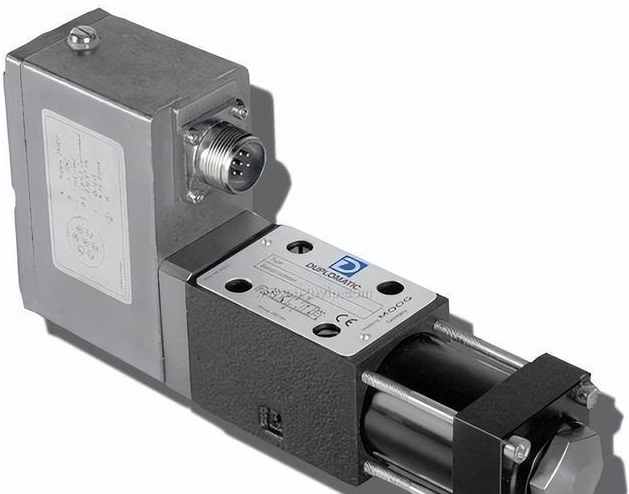

In the field of industrial automation and precision control systems, servo valves stand out as critical components that bridge the gap between electronic control signals and high-performance hydraulic or pneumatic actuation. These devices are engineered to deliver precise, rapid, and repeatable control of fluid flow and pressure, making them indispensable in applications where accuracy and responsiveness are paramount. From aerospace and defense to manufacturing and medical equipment, servo valves play a pivotal role in ensuring the reliability and efficiency of complex motion control systems. This article provides a comprehensive overview of servo valves, covering their working principles, main types, key applications, and emerging trends in technology.
1. Working Principles of Servo Valves

At its core, a servo valve is a directional control valve that uses an electrical input signal to modulate the flow of hydraulic or pneumatic fluid to an actuator (such as a cylinder or motor). The fundamental principle relies on the conversion of an electrical signal (typically a voltage or current) into a mechanical displacement, which in turn adjusts the valve’s spool position to control fluid flow rate and direction. This conversion process is often facilitated by a torque motor or a voice coil motor, which provides the necessary force to actuate the valve’s internal components.
A key characteristic of servo valves is their closed-loop control mechanism. The valve’s output (fluid flow or actuator position) is continuously fed back to the control system, which compares it with the desired input signal. Any deviation between the actual and desired output triggers a correction signal, which adjusts the valve’s position to minimize the error. This closed-loop feedback ensures high precision and stability, even in dynamic operating conditions. Additionally, servo valves are designed with low hysteresis and high sensitivity, allowing them to respond quickly to small changes in the input signal, which is essential for applications requiring fine motion control.
2. Main Types of Servo Valves
Servo valves can be classified into several types based on their construction, actuation method, and fluid medium. The most common types include hydraulic servo valves, pneumatic servo valves, and digital servo valves. Each type has unique characteristics and is suited for specific applications.
2.1 Hydraulic Servo Valves
Hydraulic servo valves are the most widely used type, particularly in applications requiring high power density and precise control of heavy loads. They operate with hydraulic fluid (typically mineral oil) and are capable of delivering high flow rates and pressures, making them ideal for large-scale industrial machinery and aerospace systems. Hydraulic servo valves are further categorized into two main subtypes: flapper-nozzle servo valves and jet-pipe servo valves.
Flapper-nozzle servo valves consist of a torque motor, a flapper, two nozzles, and a spool valve. The torque motor rotates the flapper in response to the electrical input signal, changing the distance between the flapper and each nozzle. This change in distance modulates the pressure difference between the two sides of the spool, causing the spool to move and control fluid flow. Jet-pipe servo valves, on the other hand, use a jet pipe that directs a stream of hydraulic fluid to one of two receiver ports. The pressure from the jet stream moves the spool, which adjusts the flow to the actuator. Both subtypes offer high precision, but flapper-nozzle valves are more compact, while jet-pipe valves are more robust and resistant to contamination.
2.2 Pneumatic Servo Valves
Pneumatic servo valves use compressed air as the working fluid and are primarily used in applications requiring clean, lightweight, and low-cost control systems. They are commonly found in the food and beverage industry, medical equipment, and small-scale automation systems. Pneumatic servo valves offer fast response times and are suitable for environments where hydraulic fluid contamination is a concern. However, they have lower power density compared to hydraulic servo valves, limiting their use in high-load applications.
2.3 Digital Servo Valves
Digital servo valves represent a modern advancement in servo valve technology, replacing traditional analog control with digital signals (such as PWM or CAN bus). These valves integrate digital electronics and sensors directly into their design, allowing for more precise control, easier integration with computerized control systems, and enhanced diagnostic capabilities. Digital servo valves eliminate the need for analog-to-digital converters, reducing system complexity and improving reliability. They are increasingly being adopted in industrial automation, robotics, and automotive applications where digital control and connectivity are essential.
3. Key Applications of Servo Valves

Servo valves are used in a wide range of industries and applications, thanks to their high precision and responsiveness. Below are some of the most critical application areas:
3.1 Aerospace and Defense
In the aerospace industry, servo valves are used to control the flight surfaces (such as ailerons, elevators, and rudders) of aircraft and spacecraft. They are also employed in engine control systems, landing gear actuation, and thrust vector control for rockets. The high reliability and precision of servo valves are critical in these applications, as they directly impact the safety and performance of the vehicle. For example, in a commercial jet, servo valves ensure smooth and accurate control of the aircraft’s flight path, even in turbulent conditions.
3.2 Manufacturing and Industrial Automation
In manufacturing, servo valves are used in CNC machines, robotic arms, injection molding machines, and metal forming equipment. They enable precise control of tool movement, ensuring high-quality and consistent production. For instance, in a CNC milling machine, servo valves control the position and speed of the cutting tool, allowing for the fabrication of complex parts with tight tolerances. In robotic arms, servo valves provide the precise motion control needed for tasks such as assembly, welding, and material handling.
3.3 Medical Equipment
Servo valves are used in a variety of medical devices, including surgical robots, diagnostic equipment, and patient monitoring systems. In surgical robots, for example, servo valves control the movement of the robot’s arms and instruments, enabling surgeons to perform minimally invasive procedures with high precision. In diagnostic equipment such as MRI machines, servo valves are used to control the position of the patient table and the magnetic field gradients, ensuring accurate imaging results.
3.4 Automotive Industry
In the automotive industry, servo valves are used in advanced driver assistance systems (ADAS), active suspension systems, and transmission control. Active suspension systems use servo valves to adjust the suspension damping in real time, improving ride comfort and vehicle stability. In ADAS, servo valves are employed in systems such as adaptive cruise control and lane-keeping assist, helping to enhance vehicle safety.
4. Emerging Trends in Servo Valve Technology
As technology advances, servo valves are evolving to meet the growing demands of modern control systems. Some of the key emerging trends include:
4.1 Miniaturization and Integration
There is a growing demand for smaller, more compact servo valves, particularly in applications such as micro-robotics, medical devices, and aerospace. Manufacturers are developing miniaturized servo valves that retain high performance while occupying less space. Additionally, servo valves are being integrated with other components (such as sensors, actuators, and control electronics) to create compact, all-in-one motion control modules, reducing system size and complexity.
4.2 Smart and Self-Diagnostic Capabilities
Modern servo valves are increasingly being equipped with smart features such as self-diagnostic capabilities, condition monitoring, and predictive maintenance. These features use built-in sensors to monitor the valve’s performance, detect potential faults (such as wear, contamination, or leakage), and alert operators before a failure occurs. This helps to reduce downtime, improve system reliability, and lower maintenance costs.
4.3 Energy Efficiency
With the growing focus on sustainability and energy conservation, manufacturers are developing more energy-efficient servo valves. This includes the use of low-power actuation mechanisms, optimized fluid flow paths, and variable displacement control. Energy-efficient servo valves help to reduce the overall energy consumption of control systems, making them more environmentally friendly and cost-effective.
4.4 Digitalization and Connectivity
Digitalization is transforming servo valve technology, with an increasing number of valves featuring digital interfaces and connectivity. Digital servo valves can be easily integrated with industrial IoT (IIoT) systems, allowing for remote monitoring, control, and data analysis. This enables operators to optimize system performance, track maintenance needs, and make data-driven decisions to improve efficiency.
5. Conclusion
Servo valves are essential components in precision motion control systems, providing the critical link between electrical control signals and mechanical actuation. Their high precision, responsiveness, and reliability make them indispensable in a wide range of industries, from aerospace and defense to manufacturing and medical equipment. As technology continues to advance, servo valves are evolving to meet the demands of modern applications, with trends such as miniaturization, smart capabilities, energy efficiency, and digitalization driving innovation in the field. Looking ahead, servo valves will continue to play a vital role in enabling more advanced, efficient, and reliable control systems, supporting the growth of industrial automation, aerospace exploration, and medical technology.